
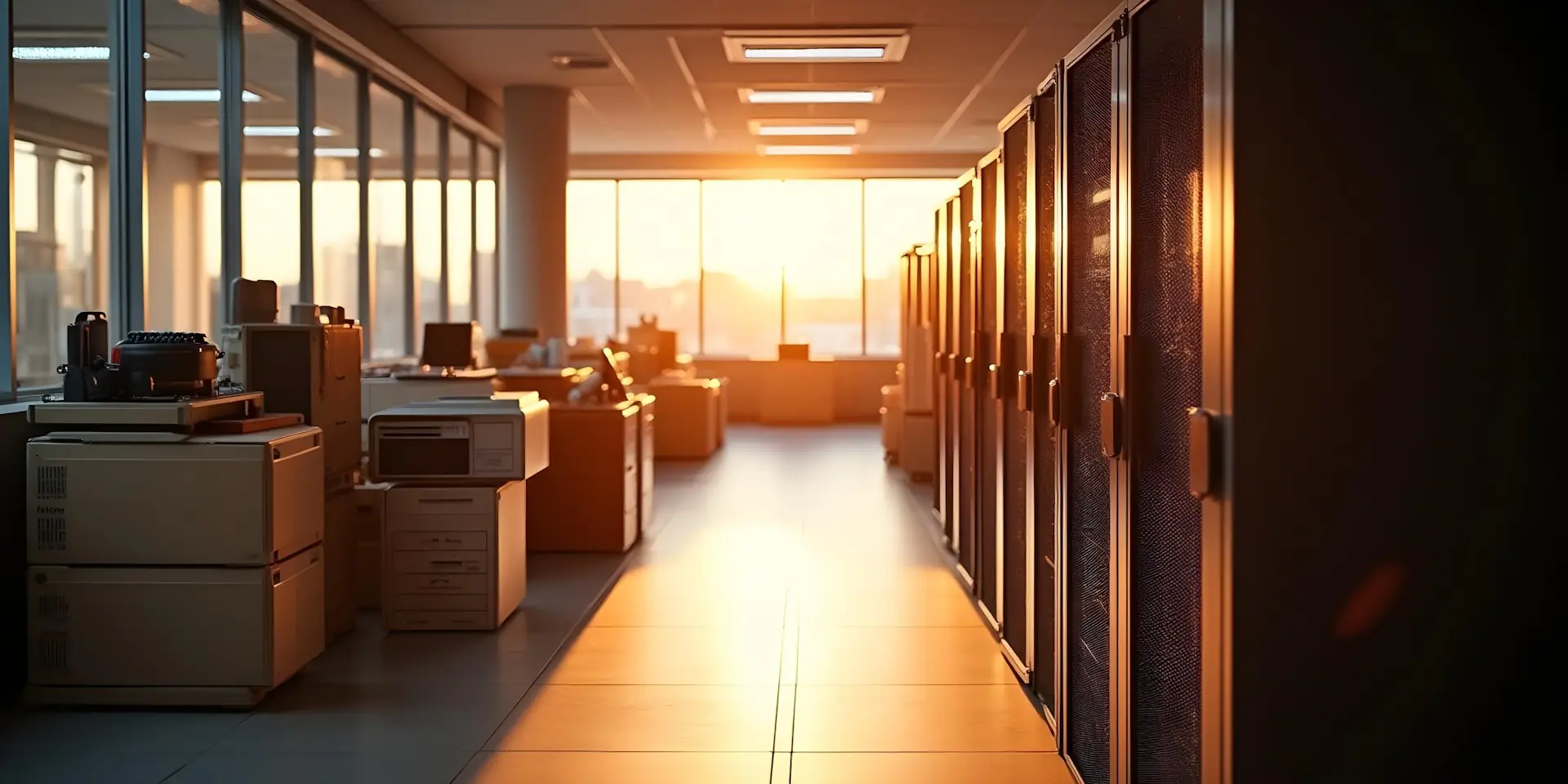
Every household and business in Bedford, Bedfordshire, and the surrounding counties generates electrical and electronic waste. From old televisions and computers to fridges, washing machines, and mobile phones, these items cannot simply be thrown in the bin when they reach the end of their life. Understanding Waste Electrical and Electronic Equipment regulations, commonly known as WEEE, and knowing how to dispose of electrical items responsibly ensures legal compliance, protects the environment, and allows valuable materials to be recovered and reused.
What Is WEEE?
WEEE stands for Waste Electrical and Electronic Equipment, and refers to any item that runs on electrical power or batteries that has reached the end of its useful life. The WEEE Directive, implemented in the UK through the WEEE Regulations, sets requirements for the collection, treatment, recycling, and recovery of electrical waste to reduce the environmental impact of these items.
The definition is deliberately broad, covering everything from large household appliances like fridges and washing machines to small items like electric toothbrushes and charging cables. If it plugs into the mains, runs on batteries, or charges electrically, it falls under WEEE regulations when being disposed of.
These regulations exist because electrical and electronic equipment contains materials that are both valuable and potentially hazardous. Circuit boards contain precious metals like gold, silver, and copper that can be recovered and reused. However, these items also contain substances like lead, mercury, and brominated flame retardants that can harm the environment and human health if improperly disposed of in landfill.
The WEEE symbol – a crossed-out wheelie bin – appears on electrical items to remind consumers and businesses that these products must not be disposed of as general waste. This symbol has become ubiquitous on electrical goods, serving as a clear indicator that specialist disposal is required.
Categories Of WEEE
WEEE regulations categorise electrical and electronic equipment into several groups, each requiring appropriate handling and disposal. Large household appliances form a significant category, including washing machines, dryers, dishwashers, cookers, refrigerators, and freezers. These items are substantial in size and weight, containing motors, compressors, and in the case of cooling appliances, refrigerant gases requiring specialist removal.
Small household appliances encompass vacuum cleaners, irons, toasters, kettles, food processors, hair dryers, and countless other items that make modern life convenient. Whilst individually small, the collective volume of these items disposed of across Bedford and the surrounding areas is substantial.
IT and telecommunications equipment represents a rapidly growing category. Computers, laptops, monitors, printers, keyboards, mobile phones, and networking equipment become obsolete quickly as technology advances. The short lifespan of many electronic devices means households and businesses regularly dispose of these items.
Consumer equipment including televisions, radios, stereos, digital cameras, and gaming equipment falls under WEEE regulations. The transition from cathode ray tube televisions to flat screens, and the regular upgrading of gaming consoles and entertainment systems, generates significant volumes of this category.
Lighting equipment, particularly fluorescent tubes and energy-saving bulbs containing mercury, requires careful handling. LED bulbs, whilst less hazardous, still fall under WEEE regulations and should be recycled rather than discarded as general waste.
Tools, both power tools and battery-operated devices, require proper disposal. Drills, saws, sanders, and garden equipment like hedge trimmers and lawnmowers all contain motors, batteries, and electrical components that should be recycled.
Why WEEE Regulations Matter
The environmental reasons for WEEE regulations are compelling. Electrical equipment contains hazardous substances that can leach into soil and groundwater if sent to landfill. Lead from circuit boards, mercury from switches and lighting, cadmium from batteries, and various other toxic materials pose genuine environmental risks when improperly disposed of.
These regulations also address resource conservation. Electrical equipment contains valuable materials including precious metals, copper, aluminium, and rare earth elements. Many of these materials require environmentally damaging mining and processing to produce. Recovering them from waste electrical equipment reduces the need for virgin material extraction and represents genuine environmental benefit.
The scale of electronic waste globally has reached crisis proportions, with millions of tonnes generated annually. The UK alone produces over 1.5 million tonnes of electrical and electronic waste each year. Without proper management through regulations like WEEE, this waste stream would overwhelm landfill capacity and represent enormous environmental harm and wasted resources.
For businesses, compliance with WEEE regulations isn’t optional – it’s a legal requirement. Companies generating electrical waste must ensure it’s handled by appropriately licensed waste carriers and reaches approved treatment facilities. Non-compliance can result in substantial fines and regulatory action from the Environment Agency.
How To Dispose Of WEEE Correctly
Several options exist for disposing of electrical and electronic equipment responsibly across Bedford, Bedfordshire, and the surrounding counties. Household waste recycling centres accept most types of WEEE, with designated collection points for different categories. Larger items like fridges, washing machines, and televisions can be taken to these facilities, though you may need appropriate vehicles for transportation.
Many retailers offer take-back schemes for electrical items. When purchasing new appliances, retailers are often required to take back old equivalent items free of charge. This service proves particularly convenient for large appliances, as delivery drivers can remove old washing machines or fridges when delivering replacements. Some retailers also accept small electrical items for recycling in-store, regardless of whether you’re making a purchase.
Local councils across Bedfordshire and surrounding areas often provide kerbside collection services for small electrical items, either as part of standard recycling collections or through booking bulky waste collections. However, these services typically have limitations on item types, quantities, and frequencies of collection.
For households and businesses dealing with substantial quantities of electrical waste, or for items requiring removal from inside properties, professional WEEE disposal services offer comprehensive solutions. These services collect electrical items directly from your property, handle all the heavy lifting and transportation, and ensure items reach approved treatment facilities.
Professional services prove particularly valuable when clearing entire properties, dealing with business waste, or disposing of items from upper floors or locations with difficult access. The convenience and assurance of proper disposal make professional WEEE clearance services worth considering for anything beyond single items you can easily transport yourself.
The WEEE Disposal Process
Understanding what happens to electrical equipment after disposal helps appreciate the importance of proper WEEE handling. Items collected through legitimate channels reach approved authorised treatment facilities (ATFs) equipped to process electrical waste safely and efficiently.
Initial processing involves manual dismantling to remove hazardous components. Batteries are removed and sent for specialist recycling. Cathode ray tubes from old televisions and monitors are carefully separated, as they contain toxic materials requiring specific handling. Refrigerant gases from cooling appliances are extracted by qualified technicians using specialist equipment, preventing their release into the atmosphere where they contribute to climate change.
Once hazardous components are removed, items are mechanically processed to separate materials. Circuit boards are removed and sent for precious metal recovery. Ferrous metals are separated magnetically. Non-ferrous metals like aluminium and copper are recovered through various separation techniques. Plastics are sorted by type where possible for recycling into new products.
This comprehensive processing recovers typically 70-90% of materials from electrical waste, with the exact percentage depending on item type and complexity. The recovered materials re-enter manufacturing supply chains, genuinely contributing to circular economy principles and reducing demand for virgin materials.
The small percentage that cannot be recovered – typically certain plastics, composites, and contaminated materials – is disposed of through appropriate methods, often incineration with energy recovery rather than landfill, minimising environmental impact even for non-recyclable fractions.
Handling Different Types Of WEEE
Different categories of electrical waste require specific handling considerations. Large cooling appliances – fridges, freezers, and air conditioners – require specialist attention due to refrigerant gases and insulation foams. These items should never be damaged or dismantled by untrained individuals, as releasing refrigerants contributes to ozone depletion and climate change. Professional disposal services ensure these items are handled by qualified technicians.
Televisions and monitors, particularly older cathode ray tube models, contain lead and other hazardous materials. The glass in CRT screens requires specialist recycling facilities. Even modern flat-screen televisions contain materials requiring proper handling. These items are particularly awkward to transport and benefit from professional collection services.
Small electrical items, whilst individually less hazardous, present challenges through sheer volume and variety. Kitchen appliances, power tools, hair styling equipment, and countless other items accumulate in households over years. Many people are unaware these items require special disposal, leading to them languishing in cupboards and garages or being incorrectly disposed of as general waste.
Batteries, whether removable or built into devices, require particular attention. Lithium batteries in phones, laptops, and power tools can cause fires if damaged. Even standard alkaline batteries contain materials that should be recycled. Professional WEEE disposal services handle battery removal and disposal appropriately, ensuring these items reach specialist recycling facilities.
IT equipment presents additional considerations around data security. Computers, laptops, tablets, and mobile phones potentially contain sensitive personal or business information. Professional disposal services can coordinate with IT disposal specialists offering certified data destruction, ensuring both environmental compliance and data security.
WEEE For Businesses
Commercial organisations face additional responsibilities under WEEE regulations. Businesses must ensure electrical waste is collected only by licensed waste carriers holding appropriate Environment Agency permits. They must obtain and retain waste transfer notes documenting what was collected, by whom, and where it was taken. These records must be kept for at least two years.
The duty of care requirements for commercial waste apply fully to WEEE. Businesses cannot simply take electrical waste to household recycling centres, as most facilities prohibit or restrict commercial waste. Using unlicensed carriers or failing to maintain proper documentation exposes businesses to potential fines and regulatory action.
Office closures, relocations, or technology upgrades generate substantial quantities of electrical waste. Computers, monitors, printers, photocopiers, and telecommunications equipment all require proper disposal. The volume often exceeds what businesses can handle through retail take-back schemes, making professional WEEE clearance services essential.
Manufacturing, retail, and service businesses across Bedford, Bedfordshire, and the surrounding areas generate various types of electrical waste depending on their operations. Ensuring proper disposal demonstrates corporate environmental responsibility and protects businesses from legal and reputational risks associated with non-compliance.
Environmental And Economic Benefits
Proper WEEE disposal delivers substantial environmental benefits. Preventing hazardous materials from reaching landfill protects soil and water quality. Recovering valuable materials reduces the environmental impact of mining and manufacturing virgin materials. The energy saved by recycling metals and other materials from electrical waste represents significant environmental benefit.
Economic benefits flow from WEEE recycling as well. The recovered materials have genuine value, supporting recycling industries and creating employment in collection, processing, and manufacturing using recovered materials. Precious metals recovered from electronic waste provide valuable resources for manufacturing new products.
Some electrical items retain usable life when disposed of by their original owners. Reuse schemes operated by charities and social enterprises across Bedford and the surrounding counties refurbish working electrical items for distribution to people who cannot afford new appliances. This extends product life, provides social benefit, and represents the highest tier of the waste hierarchy – better even than recycling.
Choosing Professional WEEE Disposal Services
When selecting a service for disposing of electrical waste in Bedford, Bedfordshire, or surrounding areas of Buckinghamshire, Hertfordshire, and Cambridgeshire, verification of credentials is essential. Services should hold Environment Agency waste carrier licences and work with approved authorised treatment facilities for WEEE processing.
Experience handling electrical waste specifically ensures services understand the regulatory requirements and proper handling procedures for different item types. This expertise protects you from liability issues and ensures items are genuinely recycled rather than simply collected and improperly disposed of.
The ability to provide waste transfer documentation, particularly for business customers, demonstrates professionalism and supports your compliance obligations. Reputable services provide this documentation as standard, maintaining clear records of the entire disposal chain.
Collection services that remove items from inside properties offer convenience particularly valuable for large appliances, substantial quantities of items, or equipment located on upper floors or in locations with difficult access. This service eliminates the physical demands and transportation challenges of taking items to recycling centres yourself.
Bedford House Clearance, operating locally since 2010 with full Environment Agency licensing, provides comprehensive WEEE disposal services for both households and businesses. We handle everything from single appliances to complete house clearances and office closures, ensuring all electrical waste is processed through approved facilities with proper documentation provided.
Common Mistakes To Avoid
Several common mistakes in WEEE disposal should be avoided. Never place electrical items in general waste bins – this is illegal and environmentally harmful. Don’t attempt to dismantle items yourself to separate materials, particularly cooling appliances, as this can release hazardous substances and is potentially dangerous.
Avoid using unlicensed waste carriers or individuals offering cheap clearance services without proper credentials. Using unlicensed services exposes you to liability if items are fly-tipped or improperly disposed of, and you may face fines for failing to fulfil your duty of care regarding waste.
Don’t stockpile old electrical items indefinitely. Whilst items aren’t causing immediate harm sitting in garages or cupboards, they’re preventing material recovery and taking up space. Many people accumulate significant quantities of old electricals over years, creating eventual disposal challenges better addressed by disposing of items promptly when they’re no longer needed.
For business waste, never mix electrical waste with general waste collections or attempt to dispose of commercial WEEE through household facilities. This breaches regulations and creates liability risks for your business.
Making WEEE Disposal Simple
Understanding WEEE regulations and your disposal options empowers you to handle electrical waste responsibly and legally. Whether you’re disposing of a single item or clearing substantial quantities from house clearances or business premises, proper WEEE disposal protects the environment, recovers valuable materials, and ensures legal compliance.
Professional services simplify what might otherwise be a complex process, handling collection, transportation, and proper disposal whilst providing the documentation needed to demonstrate compliance. This comprehensive approach transforms WEEE disposal from a potential burden into a straightforward process that benefits both you and the environment.