
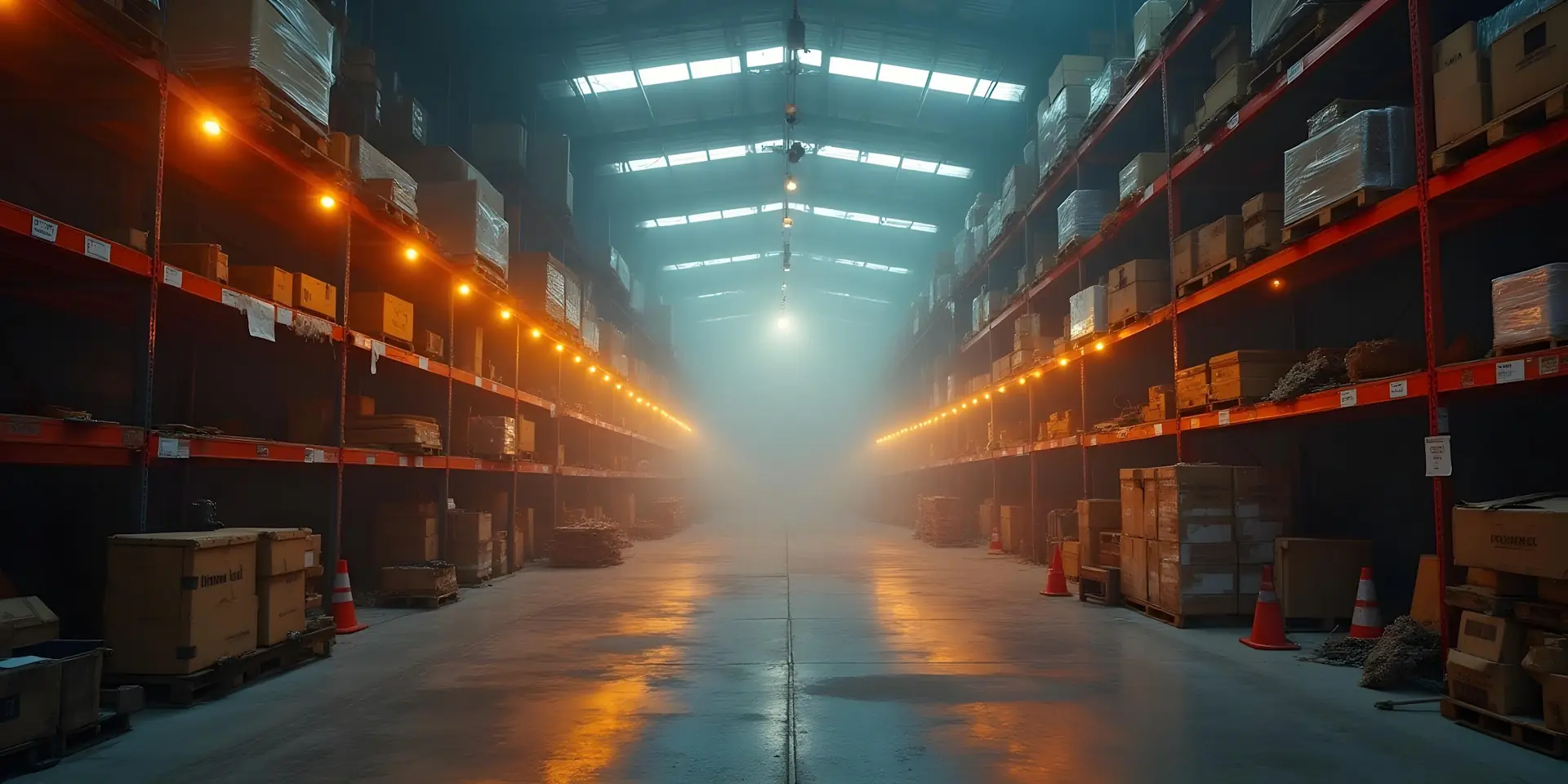
Every business generates waste, and managing it properly is both a legal obligation and a practical necessity. Commercial waste encompasses everything from office paper and packaging to construction debris, retail waste, and hospitality industry refuse. For businesses across Bedford, Bedfordshire, and the surrounding counties of Buckinghamshire, Hertfordshire, and Cambridgeshire, understanding commercial waste regulations, disposal options, and best practices ensures legal compliance whilst maintaining efficient, cost-effective waste management that supports business operations and environmental responsibilities.
What Constitutes Commercial Waste
Commercial waste, also known as business waste or trade waste, is any waste produced by business, trade, or commercial activities. This broad definition covers an enormous range of materials and waste types depending on the business sector. Offices generate paper, packaging, electronic equipment, and general refuse. Retail premises produce packaging waste, cardboard, damaged goods, and customer waste. Manufacturing facilities create production waste, offcuts, defective items, and industrial materials.
Construction and renovation businesses generate substantial waste including timber, plasterboard, metals, rubble, and packaging. Hospitality businesses produce food waste, packaging, and general refuse in considerable volumes. Service businesses from hairdressers to garages generate sector-specific waste alongside general commercial refuse.
The key distinction between commercial and household waste lies in its origin rather than its composition. A cardboard box disposed of by a business is commercial waste requiring appropriate handling, whilst an identical box from a household is domestic waste managed through different channels. This distinction matters because commercial waste is subject to specific regulations and cannot typically be disposed of through household waste services.
Even businesses operating from home must treat waste generated by business activities as commercial waste. Sole traders, freelancers, and home-based businesses have the same obligations as larger commercial operations regarding proper waste disposal, though the scale and complexity may differ significantly.
Legal Framework For Commercial Waste
Commercial waste is governed by comprehensive legislation designed to ensure proper handling, promote recycling, and protect the environment. The Environmental Protection Act establishes the fundamental framework, creating a duty of care that applies to anyone who produces, imports, carries, keeps, treats, or disposes of waste. This duty of care means businesses must take all reasonable steps to ensure their waste is managed properly and legally.
Under duty of care requirements, businesses must ensure waste is only given to authorised waste carriers who hold appropriate Environment Agency permits. Using unlicensed carriers, even unknowingly, exposes businesses to potential liability if waste is fly-tipped or improperly disposed of. Checking that waste carriers are properly licensed is a legal requirement, not optional due diligence.
Businesses must complete and retain waste transfer notes for all commercial waste collections. These documents record what waste was collected, in what quantity, by whom, and where it was taken. Waste transfer notes must include a written description of the waste and be signed by both the business producing the waste and the authorised carrier collecting it. These records must be retained for at least two years and may be inspected by Environment Agency officials or local authority officers.
Failure to comply with commercial waste regulations carries significant penalties. Businesses found to have used unlicensed carriers, failed to maintain proper waste transfer documentation, or improperly stored or disposed of waste face fines up to £5,000 per offence. Directors and business owners can be held personally liable for waste crimes, and in serious cases, criminal prosecution may follow.
The complexity of these regulations makes proper commercial waste management essential for all businesses, regardless of size. Even small enterprises must understand and comply with these legal requirements to avoid potential penalties and reputational damage.
Different Types Of Commercial Waste
Commercial waste encompasses numerous categories, each potentially requiring different handling and disposal methods. General commercial waste includes everyday business refuse – paper, cardboard, food waste, general packaging, and non-hazardous materials. This waste stream resembles household waste in composition but requires commercial collection services.
Dry mixed recycling includes paper, cardboard, plastics, metals, and glass that can be recycled. Separating recyclable materials from general waste is increasingly required by regulation and often reduces disposal costs, as recycling services typically cost less than general waste disposal.
Food waste from hospitality businesses, staff canteens, and food retail requires specialist collection services. Regulations require businesses producing over specified quantities of food waste to arrange separate collection for processing through anaerobic digestion or composting facilities. This requirement reflects both environmental considerations and the potential to generate energy from food waste.
Hazardous waste includes materials posing risks to human health or the environment – chemicals, oils, solvents, asbestos, fluorescent tubes, and contaminated materials. Hazardous waste requires specialist collection by carriers specifically licensed for these materials, and disposal must occur through approved treatment facilities. Additional paperwork including consignment notes is required for hazardous waste movements.
Construction and demolition waste from building projects, refurbishments, or strip-outs includes timber, metals, plasterboard, rubble, tiles, and various building materials. Regulations require segregation of certain materials, and increasing proportions must be recycled rather than sent to landfill.
Electronic waste from businesses falls under WEEE (Waste Electrical and Electronic Equipment) regulations, requiring collection by appropriately licensed services and processing through approved facilities. Commercial IT equipment, office appliances, and electrical items all fall under these requirements.
Confidential waste including documents containing sensitive business or customer information requires secure collection and destruction services that provide certification of destruction to ensure compliance with data protection regulations.
Commercial Waste Collection Options
Businesses have several options for managing commercial waste collection. Scheduled collections through commercial waste services provide regular collections – daily, weekly, or at intervals matching business needs. These services supply appropriate bins or containers, collect waste on agreed schedules, and provide the required waste transfer documentation.
On-demand collections suit businesses with irregular waste generation or those needing flexibility. Rather than committing to regular scheduled collections, businesses contact services when waste has accumulated requiring collection. This approach works well for businesses with variable waste generation or seasonal fluctuations in operations.
Skip hire provides a solution for larger volumes of waste, particularly from construction, renovation, or one-off clearance projects. Skips of various sizes can be delivered to business premises, filled over days or weeks, then collected when full. Permits may be required if skips need placing on public roads rather than private property.
Compactor and baler services help businesses managing substantial waste volumes to reduce frequency of collections by compressing waste into more manageable volumes. These services require upfront equipment investment but can reduce long-term disposal costs for businesses generating significant waste.
For businesses requiring comprehensive clearance – office relocations, retail unit clearances, warehouse clearances, or business closures – professional commercial clearance services handle removal of all waste and unwanted items in single visits, providing efficient solutions when businesses need premises cleared quickly and thoroughly.
The Importance Of Waste Segregation
Segregating commercial waste by type delivers both environmental and financial benefits. Separating recyclable materials from general waste reduces landfill volumes and often costs less, as recycling collections typically carry lower charges than general waste disposal. Many businesses find that improving waste segregation reduces their overall waste management costs substantially.
Environmental regulations increasingly require waste segregation. Businesses must take all reasonable steps to separate recyclable materials from general waste, and failure to do so can result in regulatory action. Demonstrating compliance through proper segregation practices protects businesses from potential penalties.
Different waste streams require different collection methods and destinations. Food waste must be separately collected and sent to appropriate treatment facilities. Hazardous waste requires specialist handling and cannot be mixed with general waste. Electronic waste must be segregated and processed through WEEE-compliant facilities. Proper segregation ensures each waste stream reaches appropriate destinations for treatment or recycling.
Implementing effective segregation systems requires appropriate containers, clear labelling, and staff training. Businesses across Bedford and Bedfordshire that invest time in establishing good waste segregation practices typically find the systems quickly become routine, delivering ongoing benefits through reduced costs and improved environmental performance.
Commercial Waste Disposal Costs
Commercial waste disposal costs vary considerably depending on waste type, volume, collection frequency, and business location. General waste collections typically charge based on container size and collection frequency – larger bins and more frequent collections cost more than smaller bins collected less often.
Recycling collections often cost less than general waste disposal, providing financial incentive alongside environmental benefits for businesses that effectively segregate recyclable materials. Some recyclable materials, particularly metals and certain other materials, may even generate income rather than costs if businesses collect sufficient quantities.
Hazardous waste disposal costs significantly more than general waste due to specialist handling requirements and processing costs. Businesses generating hazardous waste should factor these higher costs into operational planning and consider ways to minimise hazardous waste generation where possible.
One-off clearances or skip hire services typically quote based on waste volume and type. Mixed waste costs more to dispose of than segregated waste, as processing facilities must sort mixed waste before recycling or disposal. Businesses can often reduce clearance costs by pre-sorting waste into different categories.
Hidden costs can arise from poor waste management. Overfilled bins that cannot be collected, contaminated recycling rejected by processors, or insufficient capacity leading to overflowing waste all create additional costs and operational problems. Right-sizing waste capacity and maintaining proper segregation prevents these avoidable expenses.
Reducing Commercial Waste
Reducing waste generation delivers both cost savings and environmental benefits. Businesses across Bedford, Bedfordshire, and surrounding counties implementing waste reduction strategies often find significant opportunities for improvement. Reviewing purchasing practices to reduce unnecessary packaging, buying in bulk where appropriate, and selecting suppliers committed to minimal packaging all reduce waste at source.
Reusing materials where possible extends their life and reduces disposal needs. Offices might reuse paper for internal documents, retail businesses might reuse packaging materials, and construction firms might repurpose materials on site rather than disposing of usable items.
Digitising processes reduces paper waste substantially. Electronic document management, digital invoicing, and online communications all reduce paper consumption and the associated waste. Many businesses implementing digitisation find waste reductions of 50% or more in paper-based waste streams.
Employee engagement in waste reduction can identify opportunities management might miss. Staff working with materials and waste daily often have insights into potential improvements. Simple changes like providing reusable cups instead of disposables in staff areas, encouraging double-sided printing, or improving recycling signage can collectively make significant differences.
Regular waste audits help businesses understand what they’re disposing of and where opportunities for reduction or improved recycling exist. Examining bin contents, tracking waste volumes over time, and analysing costs reveals patterns and opportunities for improvement.
Specific Sector Considerations
Different business sectors face unique commercial waste challenges. Retail businesses generate substantial packaging waste from stock deliveries, requiring efficient cardboard and plastic recycling systems. Damaged goods, returns, and seasonal stock generate additional waste that businesses must manage responsibly.
Hospitality businesses produce significant food waste alongside packaging and general refuse. Regulations specifically targeting food waste from hospitality operations require many establishments to arrange separate food waste collections. Managing food waste effectively also reduces costs, as food waste collections typically cost less than general waste disposal.
Construction and trade businesses generate heavy, bulky waste requiring robust collection systems. Site waste management plans, increasingly required for construction projects, mandate waste reduction, segregation, and recycling targets. Professional clearance services experienced in construction waste ensure compliance with these requirements.
Office-based businesses generate substantial paper and cardboard waste despite increasing digitisation, alongside electronic waste from regular technology updates. Confidential waste from offices requires secure handling to protect business and customer information.
Healthcare, beauty, and personal care businesses generate waste requiring special handling – clinical waste, chemicals, and materials that may be contaminated. Specialist commercial waste services cater to these sectors, providing compliant collection and disposal services.
Choosing Commercial Waste Services
Selecting appropriate commercial waste services requires considering several factors. Verify that services hold valid Environment Agency waste carrier licences. Never use unlicensed services, regardless of cost savings promised, as this exposes your business to significant legal liability.
Experience in your specific sector provides assurance that services understand your particular waste management needs and regulatory requirements. Services regularly working with businesses similar to yours bring relevant knowledge and appropriate solutions.
The ability to provide complete waste transfer documentation demonstrates professionalism and supports your compliance obligations. Reputable services provide waste transfer notes as standard, maintaining clear records of all waste collected and where it was taken.
Flexibility in collection schedules, container sizes, and service options allows businesses to match waste services to actual needs rather than fitting business operations around inflexible service schedules. Growing businesses particularly benefit from services that can scale up as waste volumes increase.
Environmental credentials matter for businesses committed to sustainability. Services that maximise recycling, work with local facilities across Bedfordshire and surrounding counties, and demonstrate genuine environmental commitment support your business’s sustainability objectives.
Local services often provide more responsive, personalised service than large national contractors. Companies like Bedford House Clearance, operating locally since 2010 with full Environment Agency licensing, understand local businesses and can respond quickly to changing needs or urgent requirements.
Business Closures And Clearances
Business closures, whether through retirement, insolvency, or relocation, create immediate commercial waste clearance needs. Complete premises clearances remove all furniture, equipment, stock, and accumulated waste, leaving premises empty for return to landlords or preparation for sale.
These clearances often occur under tight timescales dictated by lease agreements or administrator requirements. Professional commercial clearance services can mobilise quickly, completing substantial clearances within days to meet critical deadlines.
Careful handling during business clearance ensures items of value – equipment, furniture, stock – are appropriately sold or distributed rather than simply disposed of as waste. This approach can generate income offsetting clearance costs or even producing surpluses for businesses during closure processes.
Documentation from clearances, including detailed waste transfer notes and inventories of items removed, supports final accounts, lease negotiations, and administrator requirements during business closure procedures.
Environmental Corporate Responsibility
How businesses manage commercial waste reflects broader corporate values around environmental stewardship and sustainability. Demonstrating commitment to waste reduction, recycling, and responsible disposal enhances business reputation and may influence customer choices, particularly in consumer-facing sectors.
Many businesses include waste management performance in corporate social responsibility reporting, tracking metrics like recycling rates, waste reduction achievements, and diversion from landfill. Professional waste services can provide data supporting this reporting, helping businesses demonstrate environmental commitment.
Local employment and supporting local businesses also features in corporate responsibility considerations. Using local waste services keeps money within the Bedford and Bedfordshire economy whilst supporting local jobs and community prosperity.
Making Commercial Waste Management Straightforward
Commercial waste management involves navigating complex regulations, managing costs, and maintaining operational efficiency. Understanding your legal obligations, implementing effective waste segregation, choosing appropriate services, and maintaining proper documentation ensures compliance whilst potentially reducing costs through improved recycling and waste reduction.
Professional commercial waste services transform what might seem a burdensome regulatory requirement into a straightforward, managed process that supports rather than hinders business operations. The right service partner brings expertise, compliance assurance, and practical solutions that allow businesses to focus on their core activities whilst knowing waste management is handled professionally and legally.