
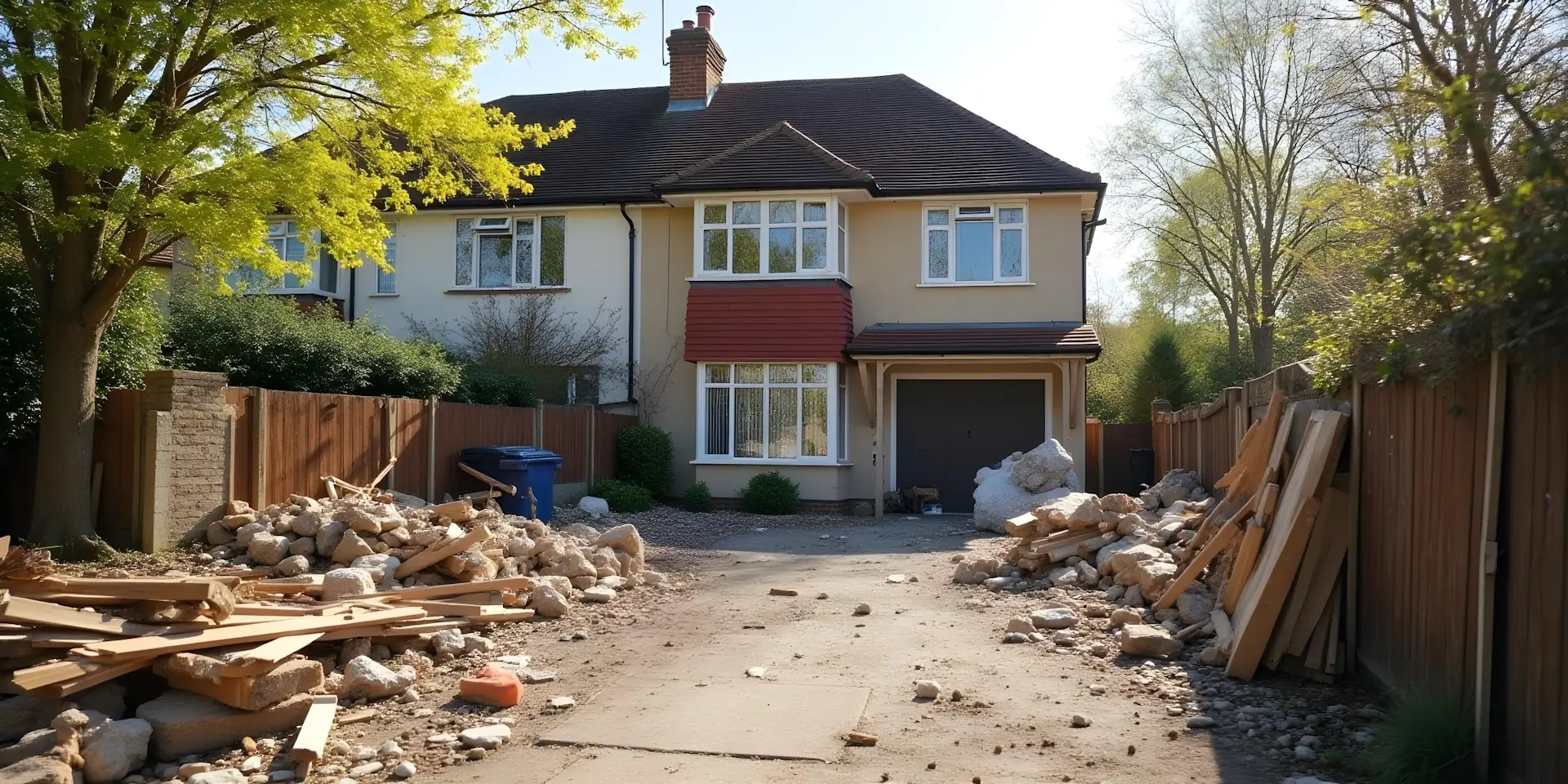
Trade waste presents unique challenges for tradespeople, contractors, and skilled workers across Bedford, Bedfordshire, and the surrounding counties. Unlike typical commercial waste from offices or retail premises, trade waste often includes heavy materials, construction debris, and specialist items requiring particular disposal methods. Whether you’re a builder, plumber, electrician, carpenter, or operate in any trade sector, understanding your obligations regarding trade waste disposal, knowing your options, and implementing efficient waste management practices ensures legal compliance whilst maintaining productive, cost-effective operations.
What Is Trade Waste
Trade waste refers to waste generated by trade activities and businesses providing services or creating products. This includes construction waste from building projects, materials from renovation and refurbishment work, offcuts and surplus materials from manufacturing or fabrication, and waste generated during installation, repair, or maintenance services across Bedfordshire and surrounding areas.
The term “trade waste” often overlaps with commercial and industrial waste, but typically refers specifically to waste from hands-on trade activities rather than office or retail operations. Builders generate substantial trade waste including timber, plasterboard, tiles, and packaging. Plumbers dispose of old pipes, bathroom fixtures, and boilers. Electricians handle cable offcuts, old wiring, and replaced electrical fittings. Landscapers create green waste, soil, and rubble from garden projects.
Unlike household waste that homeowners can dispose of through council services, trade waste falls under commercial waste regulations regardless of quantity. Even small amounts of waste from minor jobs constitute trade waste requiring proper handling. A sole trader replacing a single bathroom produces trade waste subject to the same regulations as large construction companies, though obviously at different scales.
This legal classification matters because trade waste cannot be disposed of through household recycling centres in most cases, cannot be placed in domestic wheelie bins, and requires collection by licensed waste carriers. Tradespeople attempting to use household waste facilities for trade waste risk being turned away or, worse, face potential fines for improper waste disposal.
Legal Obligations For Tradespeople
All tradespeople have a duty of care regarding waste they generate, a legal obligation under the Environmental Protection Act that applies regardless of business size. This duty means you must take all reasonable steps to ensure waste is stored securely, transferred only to authorised waste carriers, and reaches appropriate disposal or treatment facilities.
Before waste leaves your control, you must check that the carrier holds a valid Environment Agency waste carrier licence. This verification isn’t optional – it’s a legal requirement. Using unlicensed carriers, even unwittingly, exposes you to potential fines and prosecution if that waste is subsequently fly-tipped or improperly disposed of. Checking licences is straightforward through the Environment Agency’s public register, taking just minutes but providing crucial legal protection.
Waste transfer notes must be completed for every trade waste collection, documenting what waste was transferred, to whom, when, and where it was destined. These written records must describe the waste, include quantities or estimates, and be signed by both parties. Waste transfer notes must be retained for at least two years and may be inspected by regulatory authorities checking compliance.
Failure to comply with these obligations carries significant penalties. Fixed penalty notices of £300 are common for waste transfer note failures. More serious offences – using unlicensed carriers, fly-tipping, or persistent non-compliance – can result in fines up to £50,000 and even imprisonment in extreme cases. Directors and business owners can be personally prosecuted for waste crimes committed by their businesses.
For tradespeople operating across Bedford and the surrounding areas, understanding these obligations and implementing proper waste management practices protects both your business reputation and your personal liability. The regulations apply equally to sole traders and large contractors, making compliance essential regardless of business size.
Common Types Of Trade Waste
Different trades generate characteristic waste streams requiring appropriate handling. Construction and building trades produce substantial volumes including timber offcuts, plasterboard, bricks, blocks, rubble, tiles, insulation materials, and packaging from building supplies. Much of this waste is heavy and bulky, requiring robust collection services and appropriate vehicles.
Plumbing and heating work generates old pipes, radiators, boilers, bathroom suites, taps, and fittings. Metal components from plumbing work often have scrap value, whilst old bathroom suites and boilers require proper disposal. Asbestos occasionally appears in older plumbing systems, requiring specialist handling if encountered.
Electrical work produces cable offcuts, old wiring, light fittings, switches, consumer units, and replaced appliances. Electrical waste falls under WEEE regulations, requiring proper disposal through licensed facilities. Copper from cables has scrap value, providing potential income from waste that’s properly segregated.
Carpentry and joinery create substantial timber waste including offcuts, sawdust, old doors, windows, floorboards, and staircases. Treated timber requires different disposal than untreated wood, and certain treatments mean timber must be disposed of as hazardous waste rather than general building waste.
Decorating and plastering generate paint tins, old wallpaper, plaster waste, and packaging. Leftover paint requires proper disposal, particularly oil-based paints and solvents that constitute hazardous waste. Water-based paints can sometimes be dried out and disposed of as general waste, but liquids cannot simply be poured down drains.
Roofing work produces tiles, slates, felt, timber, and potentially asbestos from older roofs. Asbestos requires specialist licensed removal and disposal, and tradespeople must never attempt to dispose of asbestos through normal waste channels.
Landscaping and groundwork create green waste, soil, rubble, old paving, fencing, and general garden waste. Some materials like soil and hardcore may be reusable on other projects, whilst green waste can be composted rather than sent to landfill.
Managing Trade Waste On Job Sites
Effective waste management begins on job sites with proper planning and organisation. Before starting projects, estimate likely waste volumes and types, allowing you to arrange appropriate disposal methods from the outset rather than scrambling to deal with accumulated waste at project completion.
Segregating waste as work progresses makes disposal easier and often cheaper. Separate skips or designated areas for different waste types – timber, metals, plasterboard, mixed waste – allow appropriate disposal routes for each material. Metals can be sold for scrap, clean timber might be recycled, and segregated materials typically cost less to dispose of than mixed waste requiring sorting at transfer stations.
Protecting waste from weather and securing it against theft or fly-tipping is part of duty of care obligations. Skips should be covered when not in use to prevent rainwater adding weight and costs. Materials with scrap value like copper pipes or lead should be secured to prevent theft. Ensuring waste cannot blow away or be accessed by unauthorised people demonstrates proper care.
Minimising waste generation through careful material estimation, reusing offcuts where possible, and returning unused materials to suppliers reduces disposal costs and environmental impact. Many tradespeople find that improved material management reduces waste disposal costs significantly whilst also saving on material purchases.
Client communication about waste disposal prevents misunderstandings. Some clients assume tradespeople will remove all waste, whilst others expect to handle disposal themselves. Clarifying this upfront, ideally in written quotes or contracts, prevents disputes and ensures appropriate arrangements are made.
Trade Waste Disposal Options
Several disposal methods suit different trade waste scenarios and business models. Skip hire provides the most common solution for substantial waste volumes from single job sites. Skips of various sizes accommodate different project scales, from small bathroom refurbishments to major building projects. Permits may be required if skips must be placed on public roads rather than customer driveways or your own premises.
Choosing appropriate skip sizes prevents waste and cost. Overfilled skips cannot be collected legally, requiring additional skips and costs. Undersized skips require more frequent exchanges, adding costs and administrative burden. Estimating waste volumes accurately comes with experience, but skip suppliers can advise on appropriate sizes for different project types.
Wait-and-load services provide alternatives to skip hire for smaller waste volumes or where space for skips is limited. Waste is loaded directly into vehicles as work progresses or at project completion, eliminating the need for skips to remain on site for extended periods. This approach suits jobs in locations with restricted parking or where skips would block access.
Regular collections from business premises work well for tradespeople with workshops, yards, or storage facilities. Scheduled waste collections similar to commercial bin collections provide predictable, managed disposal for accumulated waste between jobs. This approach suits businesses generating steady waste volumes from workshop activities or storing waste temporarily before disposal.
Trade waste bags or bulk bags provide flexible solutions for smaller jobs. Heavy-duty bags can be filled on site, then collected when full. This method works well for jobs generating modest waste volumes where full skips would be excessive.
For comprehensive clearances – clearing out workshops, yards, or accumulated materials from business premises – professional trade waste clearance services remove everything in single visits, providing efficient solutions when businesses need spaces cleared quickly.
Segregating Trade Waste
Waste segregation delivers both financial and environmental benefits for tradespeople. Separating different waste types allows each to follow appropriate disposal or recycling routes, often reducing overall costs compared to mixed waste disposal.
Metals including copper, brass, steel, and aluminium have scrap value. Segregating metals from other waste allows them to be sold to scrap merchants, potentially generating income that offsets other disposal costs. Even modest amounts of copper from electrical or plumbing work accumulate value over time.
Timber should be separated into treated and untreated categories, as disposal requirements differ. Clean untreated timber can often be recycled into chipboard or biomass fuel. Treated timber, particularly if pressure-treated or painted with lead-based paints, requires different disposal methods.
Plasterboard must be kept separate from other waste streams due to its chemical composition. When plasterboard breaks down in landfill, it can produce hydrogen sulphide gas. Many disposal facilities now segregate plasterboard, and keeping it separate from the outset prevents contamination of other recyclable materials.
Hazardous waste including asbestos, contaminated materials, certain treated timbers, and chemical products must be strictly segregated and handled through specialist licensed services. Mixing hazardous waste with general waste creates serious compliance breaches and potential health risks.
Concrete, rubble, and inert waste can often be crushed and recycled for use in new construction projects. Keeping inert waste separate from general building waste allows this recycling to occur efficiently.
Costs And Value Recovery
Trade waste disposal costs vary considerably depending on waste type, volume, and disposal method. Mixed building waste typically costs more to dispose of than segregated waste, as transfer stations must sort mixed waste before appropriate processing. Tradespeople who effectively segregate waste on site often save substantial amounts over those disposing of everything as mixed waste.
Hazardous waste disposal costs significantly more than general trade waste due to specialist handling requirements. Minimising hazardous waste generation where possible and ensuring proper segregation when it’s unavoidable prevents unnecessarily high disposal costs.
Skip hire costs depend on skip size, hire duration, and waste type. Inert waste often costs less to dispose of than mixed building waste. Understanding pricing structures allows tradespeople to choose most cost-effective disposal methods for specific projects.
Recovering value from waste offsets disposal costs. Scrap metal sales can generate hundreds of pounds annually for busy tradespeople. Good quality timber offcuts might be sold or given to businesses making kindling or wood products. Even hardcore and rubble may have value to others requiring hardcore for projects.
Building waste disposal costs into quotes ensures you’re charging appropriately for this aspect of work. Some tradespeople include waste disposal as a separate line item in quotes, making costs transparent to clients. Others incorporate disposal costs into overall project pricing. Either approach is acceptable, but ensuring disposal costs are covered prevents this expense eroding profit margins.
Regulations For Different Trade Sectors
Specific trades face particular regulatory considerations. Construction trades must comply with Site Waste Management Plan requirements for larger projects, mandating waste reduction targets, segregation practices, and documentation of waste disposal. These plans demonstrate commitment to waste minimisation and regulatory compliance.
Asbestos regulations strictly govern handling and disposal of asbestos-containing materials. Tradespeople must never attempt to dispose of asbestos through normal waste channels. Licensed asbestos removal contractors must handle significant quantities, whilst small amounts encountered during work require proper notification and disposal through specialist facilities.
Electrical contractors must comply with WEEE regulations when disposing of electrical equipment and components. Items containing circuit boards, cables containing recoverable metals, and electrical appliances all require proper disposal through licensed WEEE processors.
Plumbing and heating engineers disposing of boilers, radiators, and hot water cylinders must ensure these items reach appropriate facilities. Refrigerant gases from heat pumps or air conditioning units require specialist extraction by qualified technicians before disposal.
Groundwork and drainage contractors may encounter contaminated soil or materials requiring classification and specialist disposal. Soil testing may be necessary before disposal to ensure appropriate handling of potentially contaminated materials.
Choosing Trade Waste Services
Selecting appropriate trade waste services requires considering several factors specific to trade businesses. Verify that services hold valid Environment Agency waste carrier licences. Never use unlicensed services regardless of cost advantages, as this exposes you to significant legal liability.
Experience working with trade businesses indicates understanding of trade waste characteristics and regulatory requirements. Services familiar with construction, plumbing, electrical, or other trade waste bring relevant expertise and appropriate solutions.
Flexibility in service delivery suits the variable nature of trade work. Some weeks you might complete multiple jobs generating substantial waste, whilst other periods see less activity and waste generation. Services offering flexible collection schedules or on-demand services accommodate this variability better than rigid weekly collection contracts.
The ability to provide complete waste transfer documentation supports your legal compliance obligations. Reputable services provide waste transfer notes as standard, maintaining records of all waste collected and its destination.
Competitive pricing matters for trade businesses operating on often tight margins. However, the cheapest services aren’t always the best value if they provide poor service, create compliance risks, or fail to accommodate your business needs effectively. Balance cost against service quality, reliability, and legal compliance.
Local services across Bedford, Bedfordshire, and surrounding counties often provide more responsive, personalised service than national contractors. Companies like Bedford House Clearance, operating locally since 2010 with full Environment Agency licensing, understand local tradespeople’s needs and can respond quickly to changing requirements.
Best Practices For Trade Waste Management
Successful trade waste management combines legal compliance with operational efficiency. Maintain clear records of all waste transfers, filing waste transfer notes systematically so they’re readily accessible if regulatory authorities request inspection. Two years’ records must be retained, but many businesses keep records longer for their own reference.
Regularly review waste costs and practices to identify improvement opportunities. Tracking waste volumes and costs over months reveals patterns and highlights where better segregation, material management, or disposal routes might reduce expenses.
Stay informed about regulatory changes affecting trade waste. Environmental regulations evolve, and requirements change over time. Professional associations, trade publications, and waste service providers often provide updates on regulatory developments.
Invest in appropriate equipment for waste management. Tough bags, suitable containers, and tools for segregating materials on site make proper waste handling easier and more efficient. Initial investment in proper equipment pays dividends through improved efficiency and reduced disposal costs.
Train any employees in proper waste handling practices. If you employ apprentices, labourers, or other staff, ensuring they understand waste segregation, storage, and handling prevents costly mistakes and supports your compliance obligations.
Environmental Responsibility In The Trades
How tradespeople handle waste reflects broader professional standards and environmental responsibility. Demonstrating commitment to proper waste management, recycling where possible, and legal compliance enhances professional reputation and may influence customer choices, particularly amongst environmentally conscious clients.
Many clients now specifically ask about waste disposal practices during quoting processes. Being able to demonstrate proper procedures, licensing compliance, and commitment to recycling can differentiate you from competitors and support premium pricing for professional, responsible service.
Supporting local waste services and recycling facilities keeps money within the Bedford and Bedfordshire economy whilst supporting local employment. These business relationships also often result in better service and more flexible arrangements than dealing with distant national contractors.
Making Trade Waste Management Work For Your Business
Trade waste management involves balancing legal compliance, cost control, and operational efficiency. Understanding your obligations, implementing effective segregation practices, choosing appropriate disposal methods, and maintaining proper documentation ensures compliance whilst often reducing costs through improved waste handling and value recovery.
Professional trade waste services transform regulatory requirements into managed processes that support rather than hinder your business operations. The right service partner brings expertise, legal compliance assurance, and practical solutions that allow you to focus on your trade whilst knowing waste management is handled professionally and legally.